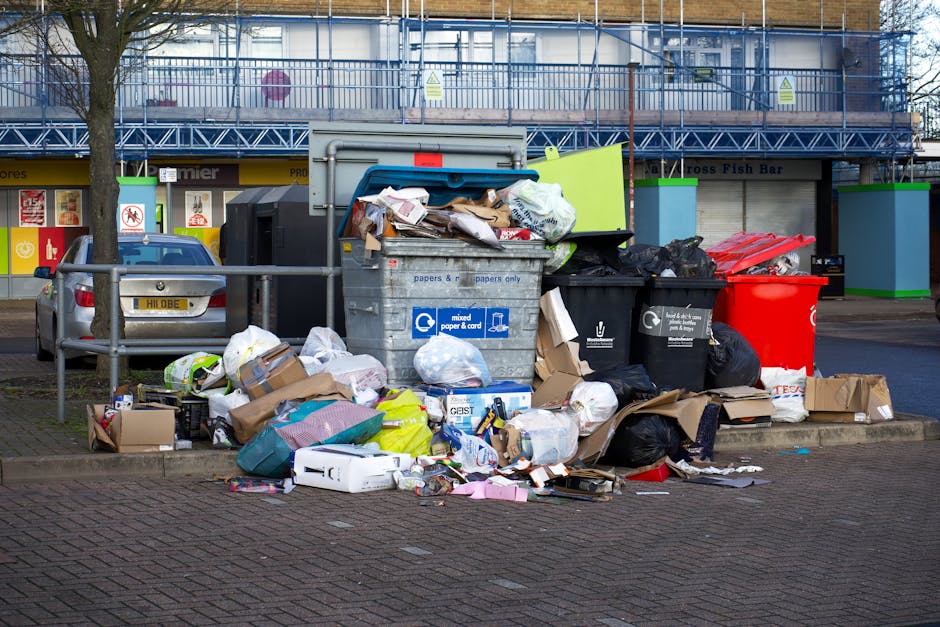
Brisbane Road Leyton rubbish collection for businesses: a practical guide for local companies
If you run a business near Brisbane Road in Leyton, rubbish has a funny way of building up at exactly the wrong time. One busy delivery day, one office tidy-up, one burst of packaging from a stock room refresh, and suddenly the back corridor, yard, or storeroom is doing its best impression of a landfill. Brisbane Road Leyton rubbish collection for businesses is about getting that waste out of the way quickly, legally, and without turning your workday into a mess.
This guide explains how business rubbish collection works in the area, what it is best for, where it saves time and money, and what to watch out for before you book. It is written for real-world decisions, not theory. If you need a broader overview of waste services too, the main waste removal and business waste removal pages are useful starting points, especially if you are comparing service types.
Truth be told, most businesses do not need a complicated waste plan. They need a reliable one.
Table of Contents
- Why Brisbane Road Leyton rubbish collection for businesses matters
- How Brisbane Road Leyton rubbish collection for businesses works
- Key benefits and practical advantages
- Who this is for and when it makes sense
- Step-by-step guidance
- Expert tips for better results
- Common mistakes to avoid
- Tools, resources and recommendations
- Law, compliance, standards, or best practice
- Options, methods, or comparison table
- Case study or real-world example
- Practical checklist
- Conclusion
- Frequently Asked Questions
Why Brisbane Road Leyton rubbish collection for businesses Matters
Brisbane Road sits in a part of Leyton where commercial activity, footfall, deliveries, and day-to-day maintenance all create waste in different forms. Cafes, offices, retail units, trades, gyms, hospitality venues, and event-related businesses all produce rubbish that can not just be shoved aside and forgotten. If it is left too long, it quickly becomes a nuisance: blocked storage spaces, unpleasant smells, safety hazards, and a poor impression for customers or staff.
For businesses, waste is not only about tidiness. It affects how efficiently you operate. A cluttered back room slows down staff. Packed bins can attract pests. Broken furniture or packaging can get in the way of fire exits or stock access. And if you are dealing with mixed waste after a refit or clear-out, you may find your usual bin service simply is not enough.
There is also the matter of reputation. Customers may never mention a messy bin store, but they notice. Employees notice too. A clean, well-managed site just feels calmer. A small thing? Maybe. But in busy commercial areas, those small things add up. The difference between "managed" and "chaotic" is often one collection away.
One useful way to think about it is this: business rubbish collection is not just a clean-up job. It is part of keeping operations moving.
How Brisbane Road Leyton rubbish collection for businesses Works
At its simplest, rubbish collection for businesses involves booking a waste uplift, having the materials assessed or quoted, then arranging a suitable time for removal. Depending on the provider and the type of waste, the process may be done as a one-off clearance or as a recurring collection arrangement.
In many business cases, the process follows a fairly familiar pattern:
- You identify the waste type. For example, office furniture, cardboard, mixed rubbish, old appliances, builders' debris, or confidential material.
- You estimate the volume. This can be as rough as "a few desks and chairs" or as detailed as cubic metres, number of sacks, or load size.
- You request pricing or arrange a collection. Some jobs need a site visit or photo-based quote; others can be booked more quickly.
- The waste is collected. A team removes the items, loads them safely, and takes them for sorting, recycling, or disposal.
- The material is processed appropriately. Different waste streams are handled differently, which matters for compliance and recycling.
For businesses with frequent waste, a recurring service is usually more efficient. For example, a cafe on or near Brisbane Road may generate packaging, food-related waste, and broken fixtures at different rates through the week. A one-off collection works for refurbishment waste, while a regular pickup suits steady operational waste. Simple enough, but getting that match right matters more than people think.
If you are clearing out a workplace, you may also want to look at office clearance, which is often a better fit when desks, chairs, storage, and mixed office contents are involved. For bulky items such as worn seating or old furnishings, the pages on furniture clearance and furniture disposal can also be relevant.
Key Benefits and Practical Advantages
There are practical reasons businesses choose professional rubbish collection instead of trying to manage everything in-house. Some are obvious. Some only become obvious after you have spent a morning hauling damp cardboard through a narrow rear passage. Not glamorous, but very real.
- Time savings: Staff can stay focused on customers, admin, or operations instead of waste handling.
- Safer premises: Removing trip hazards, sharp objects, and heavy items reduces avoidable risks.
- Better presentation: Clean entrances, yards, and storage areas make a better impression.
- More flexible clearing: Business rubbish often comes in awkward shapes or mixed materials that a standard bin system cannot handle efficiently.
- Improved organisation: It becomes easier to manage stock rooms, service areas, and back-of-house spaces.
- Recycling opportunities: When items are sorted properly, more material can be recovered rather than simply dumped.
There is also a quieter benefit: peace of mind. You know the waste is being handled properly, and you do not have to keep working around a pile of stuff you meant to deal with "next week".
Expert summary: the best rubbish collection setup is the one that fits the pace of your business, the type of waste you generate, and the amount of space you actually have on-site. Everything else is detail.
Who This Is For and When It Makes Sense
Brisbane Road Leyton rubbish collection for businesses is a good fit for companies that generate waste too irregularly, too heavily, or too awkwardly for ordinary bins to manage. That includes a lot more businesses than people expect.
It is especially relevant for:
- Offices clearing out furniture, files, packaging, or old IT equipment
- Retail units dealing with damaged stock, display fixtures, or packing waste
- Hospitality venues needing fast removal of back-of-house clutter, fixtures, or bulk packaging
- Trades and contractors producing builders' rubble, timber, plasterboard, and mixed site waste
- Landlords and managing agents handling end-of-tenancy clear-outs or abandoned items
- Gyms, salons, and clinics replacing furniture or removing obsolete equipment
It makes sense when one of these is true:
- Your normal waste collection is overflowing.
- You have bulky items that do not fit in standard bins.
- You need a space cleared quickly before an inspection, delivery, reopening, or refit.
- You are trying to keep staff away from manual handling risks.
- You want a better handle on recycling and disposal.
One small but common scenario: a business expands into a new unit and inherits old cabinets, broken shelving, and a forgotten printer graveyard in the corner. That is exactly the sort of job where a proper collection beats a slow, piecemeal clean-up.
Step-by-Step Guidance
If you want the process to go smoothly, keep it simple and structured. A bit of prep up front saves time later, and honestly, that is where most of the value is.
1. Separate what is going
Walk through the space and decide what must be removed. Group items by type if possible: general waste, cardboard, furniture, electrical items, mixed junk, or building debris. If you are unsure whether certain materials can be collected, check the service guidance first. For unusual waste streams, specialist pages such as hazardous waste disposal or fridge and appliance removal may be more appropriate.
2. Make access easy
Clear a route from the waste area to the exit. Open gates, move parked vehicles if needed, and make sure stairwells or narrow passages are usable. This sounds basic, but access problems are one of the biggest reasons jobs take longer than planned. You do not need a perfect set-up. Just enough room for safe movement.
3. Flag anything that needs special handling
Batteries, chemicals, sharp metal, confidential paperwork, and old appliances should be identified early. If confidential material is mixed into general rubbish, you may need separate handling, such as confidential shredding. If a job contains potential risk items, say so before collection day. Better awkward in advance than awkward on the pavement.
4. Request a clear quote
Ask what is included: labour, loading, disposal, recycling, access constraints, VAT if relevant, and any surcharge for restricted items. If the business has a fixed budget, this is the stage to be frank about it. A transparent quote is usually more helpful than a cheap-looking number that grows teeth later.
5. Book a time that suits trading hours
Some collections are best done before opening, others after closing, and some mid-day if the site can tolerate the disruption. If footfall is heavy on Brisbane Road around your location, think about timing carefully. A twenty-minute collection can feel much longer if you choose the wrong hour.
6. Keep a record of what was removed
For business records, it is sensible to keep notes or paperwork showing what was collected and when. This is useful for internal audits, landlord discussions, and general housekeeping. Not fancy. Just sensible.
Expert Tips for Better Results
After enough waste jobs, a few patterns become clear. The cleanest collections are rarely the luckiest; they are the best prepared.
- Take photos before booking. A few clear pictures usually reduce misunderstandings about volume and item type.
- Don't mix waste streams unless you have to. Separate cardboard, timber, metal, and general waste if your layout allows it.
- Break down bulky items in advance. Flat-pack boxes, dismantled shelving, and loose chair bases are easier to load than whole units.
- Ask about recycling approach. If sustainability matters to your business, choose a provider that explains how they sort and process waste. A quick read of recycling and sustainability can help frame those questions.
- Schedule collections around business rhythms. Dead times are your friend. Busy service periods, less so.
- Keep one person responsible. A single point of contact avoids "I thought someone else sorted it" moments. We have all seen those.
If your rubbish includes old office chairs, cabinets, or shop fittings, there is often a useful crossover with office clearance and builders waste clearance. That overlap is normal. Businesses are rarely tidy in one neat category.
Common Mistakes to Avoid
Most waste problems are avoidable. They usually come from rushing, guessing, or assuming the collection team will sort out the details later. Sometimes they do. Sometimes they really can't.
- Leaving waste until it becomes an access problem. Stacked items can block doors, corridors, and loading routes.
- Underestimating volume. A single van load can disappear fast when you are clearing old furniture and packaging together.
- Forgetting special items. Fridges, appliances, chemicals, and confidential documents should not be treated as ordinary rubbish.
- Not checking site restrictions. Weight limits, parking, narrow access, and operating hours can all affect the job.
- Assuming all waste is the same. It is not. Mixed rubbish, recyclable material, and regulated waste need different treatment.
- Choosing only on price. Cheapest is not always best if service quality, timing, or disposal handling matters.
A small example: a retail team clears a stock room on a Friday afternoon, stacks everything by the rear door, and then discovers delivery access is blocked for Saturday morning. Suddenly the problem is no longer rubbish. It is lost trading time. That sort of thing is avoidable, thankfully.
Tools, Resources and Recommendations
You do not need a toolbox full of specialist equipment to organise rubbish collection well. A few simple tools and habits are enough.
- Phone camera: Use it to photograph the waste area from several angles.
- Basic measuring tape: Handy if you need to estimate bulk furniture or storage waste.
- Labelled sacks or containers: Useful for separating cardboard, general waste, and sensitive items.
- Site checklist: Keep one for access, parking, keys, and any security restrictions.
- Internal waste log: A basic record of dates, collection types, and removed items helps with continuity.
If you are trying to decide between collection types, the service pages on what can go in a skip and pricing and quotes can help you think through what is suitable for your site and your budget. The goal is not to become a waste expert overnight. It is to make a smart decision without wasting half your day on it.
For businesses that handle sensitive records or regular admin storage clear-outs, a combination of rubbish collection and confidential shredding can be a neat solution. Less clutter, less risk, fewer awkward paper piles floating around the office like tiny beige snowdrifts.
Law, Compliance, Standards, or Best Practice
Business waste in the UK should be handled with care, and the broad principle is straightforward: businesses are responsible for making sure their waste is stored, transferred, and disposed of properly. That means choosing a collection approach that suits the waste type and keeping the process traceable enough for your own records.
In everyday terms, best practice usually includes:
- using a service that explains how waste will be handled
- separating recyclable items where practical
- keeping hazardous or specialist items apart from general waste
- making sure staff understand what can and cannot go into a particular collection
- keeping basic internal records of disposal activity
If your site includes appliances, contaminated material, or waste that may need extra care, err on the cautious side. It is better to ask a simple question than to create a bigger problem later. Health and safety matters too, particularly where items are heavy, sharp, or awkward to move. The pages on health and safety policy and insurance and safety are worth reviewing if you want reassurance on the practical side.
For businesses with sustainability goals, recycling is not just a nice extra. It is part of good operational discipline. That does not mean every item can be reused or recycled, but a considered approach usually leads to better outcomes than a blind "load it and go" mentality.
Options, Methods, or Comparison Table
Different businesses need different waste solutions. The right one depends on volume, item type, urgency, and how much disruption you can tolerate. Here is a simple comparison.
| Method | Best for | Strengths | Watch-outs |
|---|---|---|---|
| One-off rubbish collection | Clear-outs, overflow waste, occasional bulky items | Quick, flexible, minimal long-term commitment | Not ideal for steady weekly waste generation |
| Regular business waste collection | Ongoing bins, packaging, and routine waste | Predictable, easy to manage, suited to trading premises | May not handle large one-time clearances well |
| Office clearance | Furniture, files, desks, chairs, mixed office items | Good for structured workplace clear-outs | Can be more involved if access is tight |
| Builders waste clearance | Renovation debris, rubble, site waste | Designed for heavier, dirtier loads | Needs proper separation of unsuitable waste |
| Specialist disposal services | Fridges, appliances, hazardous items, confidential material | Better handling for specific risks | Requires accurate item identification |
In many real jobs, businesses use a combination rather than a single method. That is completely normal. A shop refit, for example, might need builders waste clearance for debris, furniture disposal for old fixtures, and a general rubbish collection for packaging. One job becomes three streams, and that is fine.
Case Study or Real-World Example
Here is a realistic example from the kind of work that comes up often around busy commercial streets.
A small business near Brisbane Road prepares for a front-of-house refresh. The team has old shelving, damaged display units, cardboard packaging, a broken office chair, and a handful of obsolete stock items taking up half the back room. Staff are still trying to operate around it, which means boxes keep getting nudged into walkways and the cleaner has to work around the clutter.
Rather than leaving the site in chaos for days, the business sorts items into three groups: reusable furniture, mixed waste, and anything that needs specialist handling. They take photographs, request a collection, and clear a time after closing so customers are not disrupted. The result is not dramatic. That is the point. No drama, no blocked passageways, no staff tripping over a printer that should have left the building weeks earlier.
The biggest change is operational. The back room becomes usable again. Deliveries are easier. Staff stop shuffling boxes aside every five minutes. It is a small win, but small wins matter in business.
Practical Checklist
Use this checklist before arranging business rubbish collection in Leyton.
- Identify exactly what needs removing.
- Separate general waste from furniture, appliances, hazardous items, and confidential material.
- Estimate the amount of rubbish as accurately as you can.
- Take clear photos of the waste and the access route.
- Check whether parking, loading, or timing will be an issue.
- Confirm whether the collection includes labour, loading, disposal, and recycling.
- Ask about any items that need special handling.
- Choose a collection time that causes the least disruption.
- Keep a record of what was removed.
- Review the site afterwards so waste does not rebuild in the same corner again. It happens quickly.
Conclusion
Brisbane Road Leyton rubbish collection for businesses is really about control. Control over clutter, control over space, and control over how smoothly your premises function day to day. When waste is managed well, the whole business tends to feel calmer and more organised. When it is not, everything seems to take longer than it should.
The best results come from matching the right collection method to the right type of waste, preparing the site properly, and keeping compliance and safety in mind. That is true whether you are clearing a single office, sorting shop fixtures, or handling mixed business rubbish after a refurb. Nothing flashy. Just solid, practical, grown-up housekeeping. And honestly, that goes a long way.
If you are ready to clear space, reduce hassle, and get your premises back under control, the next step is simple.
Get a free quote today and see how much you can save.
Frequently Asked Questions
What types of business waste can be collected near Brisbane Road Leyton?
Most routine commercial rubbish can be collected, including general waste, cardboard, packaging, office clutter, furniture, and many bulky items. Some materials need specialist handling, so it is best to check in advance if you have appliances, chemicals, sharp waste, or confidential documents.
Is Brisbane Road Leyton rubbish collection for businesses suitable for one-off clear-outs?
Yes. It is often the best option for one-off jobs such as shop clearances, office tidy-ups, end-of-lease removals, and refurb waste. If the waste is occasional rather than ongoing, a single collection is usually more practical than setting up a regular pickup.
How do I know whether I need office clearance or general rubbish collection?
If you mainly have desks, chairs, cabinets, filing, and mixed workplace items, office clearance is often the better fit. If the waste is a smaller mix of general rubbish and bulky bits, a general collection may be enough. The difference is mainly about structure and volume.
Can businesses book rubbish collection outside normal trading hours?
In many cases, yes. Early morning, evening, or after-hours slots can be helpful for busy premises. That is especially useful on streets with heavier footfall or restricted access during the day.
What should I do with fridges or other appliances?
Do not mix them in with ordinary rubbish unless the service specifically says they are accepted. Appliances often need separate handling, so a page like fridge and appliance removal is worth checking if you have those items on-site.
How can I reduce the cost of a business rubbish collection?
Separate waste types where possible, make access easy, and provide accurate photos or descriptions. Being clear about volume and item type helps avoid surprises. Disassembling bulky items beforehand can also make a difference.
Is it better to use a skip or a rubbish collection service for my business?
It depends on the job. A skip can work well if you have space and time to fill it. A collection service is often better when access is tight, the waste needs to be removed quickly, or you do not want a skip sitting outside your premises.
What happens if my waste includes confidential paperwork?
Confidential paperwork should be separated from general waste and handled through a secure process. If needed, use a dedicated confidential shredding service rather than mixing documents into an ordinary clearance.
Do I need to separate recyclable items before collection?
You do not always have to, but it helps. Separating cardboard, metal, timber, and clean reusable items can improve sorting and may support better recycling outcomes. It also makes the job tidier and often quicker.
What if my premises have awkward access or narrow corridors?
That is common in older commercial buildings. Let the collection team know early, share photos, and clear the route as much as possible. Good access planning saves time and prevents avoidable damage or delays.
Are hazardous materials accepted with normal business rubbish?
Usually not. Hazardous materials should be separated and handled through the right process. If you are unsure whether something counts as hazardous, ask before collection day rather than guessing.
Can business rubbish collection help with sustainability goals?
Yes, provided the waste is sorted and processed responsibly. A good provider will explain how recyclables are separated and how non-recyclable waste is handled. For businesses trying to improve environmental practice without making life complicated, that matters.
How soon can a collection usually be arranged?
That depends on workload, waste type, and access. Simple collections can often be arranged quite quickly, while larger or more specialised jobs may need more planning. If the space is getting tight, it is smarter to act early rather than wait until the waste starts affecting operations.
What is the most common mistake businesses make with rubbish collection?
Waiting too long. Waste piles up, access gets harder, and the job becomes more expensive or disruptive than it needed to be. A little planning goes a long way, and usually keeps the whole thing refreshingly boring-in a good way.