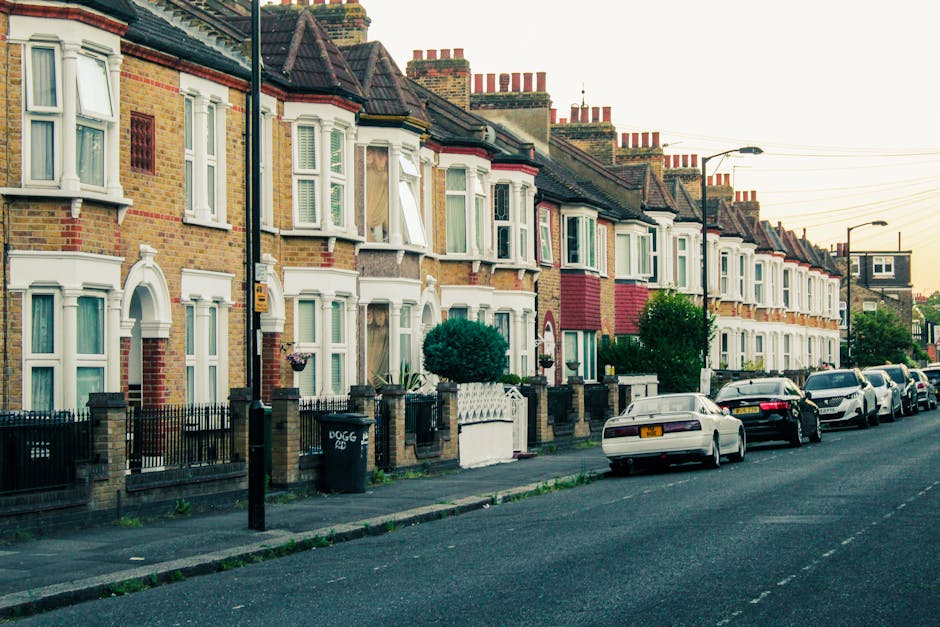
Francis Road Leyton rubbish clearance guide
If you are dealing with a pile of old furniture, bagged-up clutter, renovation offcuts, or the kind of odd rubbish that seems to multiply overnight, this Francis Road Leyton rubbish clearance guide is for you. Francis Road has a busy, lived-in feel, and that usually means tighter access, quicker turnarounds, and a need for clearance work that is neat, respectful, and efficient. Nobody wants skips blocking a narrow street for longer than necessary, and nobody wants waste hanging around while life keeps moving.
Below, you will find a practical, local-first breakdown of how rubbish clearance typically works around Francis Road and the wider Leyton area, what to watch out for, and how to choose the right approach for your property, budget, and timetable. I will keep it plain English, because frankly, rubbish clearance is the sort of job that sounds simple until you are standing in front of a full hallway and wondering where to start.
For readers looking for a broader service overview, it can also help to compare clearance options like general waste removal, house clearance, and furniture disposal before deciding on the best fit.
Table of Contents
- Why Francis Road Leyton rubbish clearance guide Matters
- How Francis Road Leyton rubbish clearance guide Works
- Key Benefits and Practical Advantages
- Who This Is For and When It Makes Sense
- Step-by-Step Guidance
- Expert Tips for Better Results
- Common Mistakes to Avoid
- Tools, Resources and Recommendations
- Law, Compliance, Standards, or Best Practice
- Options, Methods, or Comparison Table
- Case Study or Real-World Example
- Practical Checklist
- Conclusion
- Frequently Asked Questions
Why Francis Road Leyton rubbish clearance guide Matters
Francis Road is one of those streets where clearance work has to be handled with a bit of common sense. It is not just about throwing things away. It is about doing it without creating hassle for neighbours, causing access problems, or making the place look like a stop-start building site. To be fair, that matters on any street, but on a busy residential road it matters even more.
This guide matters because rubbish clearance is often connected to a bigger life moment: a move, a spring clean, an end-of-tenancy deadline, a renovation, or a family clear-out. You do not usually wake up thinking, "Today is the day I'll sort the shed, the loft, and that broken wardrobe." It tends to arrive all at once. And when it does, a clear process saves a lot of stress.
There is also the practical side. The wrong approach can lead to repeated trips, wasted time, damaged walls, or waste that should have been separated but was mixed together instead. A better plan means less lifting, less mess, and usually fewer surprises. If you need a more structured service for a property or business premises, it may also help to look at home clearance or business waste removal depending on what you are dealing with.
How Francis Road Leyton rubbish clearance guide Works
At a practical level, rubbish clearance usually follows a simple pattern: assess, separate, load, remove, and dispose responsibly. The difference between a smooth job and a stressful one is in the details. For example, can items be carried straight out to the vehicle, or do they need dismantling? Is there easy kerbside access, or is the team working from a first-floor flat with a tight stairwell and one awkward turn on the landing? These little things change the job more than people expect.
In a street like Francis Road, timing and access are often the first considerations. Morning collections can be easier if residents want the area cleared quickly, while afternoon jobs may suit people who need time to finish sorting. If there are bulky items, such as wardrobes, sofas, fridges, or broken appliances, the team may need to plan the route carefully so they do not scratch walls or block the pavement for longer than needed.
Most good clearance jobs start with a quick review of what needs removing. A sensible provider will identify items that can be reused, recycled, or require special handling. For example, a mattress might be handled differently from a broken cupboard, and an old freezer is not the same as a bag of mixed household rubbish. If appliances are involved, a dedicated page like fridge and appliance removal can be useful for understanding how those items are usually separated and handled.
And yes, there is still some old-fashioned grunt work involved. Rubbish clearance is not glamorous. It is sweaty, noisy, and mildly chaotic for about half an hour, then suddenly everything feels better. That is usually how it goes.
Key Benefits and Practical Advantages
The biggest benefit of proper rubbish clearance is simple: you get your space back. That sounds obvious, but the emotional lift of a clear room, hallway, or garden is real. It is the difference between a place that feels temporarily overwhelmed and a place that feels manageable again.
- Speed: A professional-style clearance is often much faster than doing repeated car trips or waiting for a long DIY process to finish.
- Less lifting for you: Heavy lifting is where many people get stuck. Sofas, broken cabinets, and old appliances are awkward, not just heavy.
- Cleaner finish: A well-run team leaves the area swept through and ready for the next stage.
- Better sorting: Waste can be separated more sensibly, which helps recycling where possible.
- Lower stress: You are not left wondering whether everything will fit, who will carry it, or what happens next.
There is also a practical budgeting benefit. Clear planning helps avoid paying for unnecessary time, multiple collections, or the wrong size of vehicle. If you are comparing options, it is sensible to check pricing and quotes early, especially if you have a mixed load with bulky items and loose waste.
Another overlooked advantage is neighbour consideration. On a street where people come and go, a swift, tidy removal is simply less disruptive. That kind of courtesy is not a small thing. It is part of getting the job done properly.
Who This Is For and When It Makes Sense
This guide is useful for a wide range of people, not just homeowners. In fact, Francis Road rubbish clearance comes up in several everyday scenarios:
- people clearing a flat before or after a move
- landlords preparing a property between tenancies
- families dealing with inherited items or a room-by-room declutter
- homeowners clearing out a loft, shed, garage, or spare room
- small businesses removing unwanted stock, packaging, or old office furniture
- people doing DIY or renovation work and left with builders' waste
If you are working through a flat, a compact stairwell, or a building with limited lift access, a service like flat clearance can be more practical than trying to move everything yourself. Likewise, for a mixed domestic job, loft clearance or garage clearance may be a better match than a broad rubbish-only approach.
When does it make sense to book help rather than tackle it alone? Usually when you have bulky items, limited time, more than one type of waste, or a job that will take several trips. If the answer to any of those is yes, you are probably already at the point where professional clearance starts making more sense. Truth be told, the sooner you admit that, the easier the week becomes.
Step-by-Step Guidance
Here is a sensible way to approach a Francis Road clearance without overcomplicating it.
- Walk through the space slowly. Make a quick list of what is going, what is staying, and what needs special handling.
- Separate the obvious categories. Put furniture, general rubbish, appliances, garden waste, and sensitive items into different groups where possible.
- Measure the awkward bits. If a sofa, mattress, wardrobe, or appliance needs to go through a narrow hallway or down stairs, check whether it will fit. This sounds basic, but it avoids a lot of muttering later.
- Decide what can be reused or donated. Not everything needs the same destination. Some items are better reused if they are still in decent condition.
- Keep hazardous or specialist items separate. Anything with chemicals, fuel, paint, sharp fragments, or electrical concerns should be flagged early.
- Ask for a clear collection plan. Know roughly when the team is coming, where they can park, and which items are priority.
- Clear access before the collection. Move small objects, open gates, and make the route as straightforward as you can.
- Do a final sweep. A last check of cupboards, corners, and loft edges often catches the forgotten stuff. It happens more than people admit.
If the load includes renovation debris, plasterboard, timber offcuts, or packaging from a home improvement project, it may be worth checking builders waste clearance. If your job is more about old chairs, wardrobes, or broken tables, furniture-focused help is often the better route.
Expert Tips for Better Results
The best clearance jobs usually come down to preparation and judgement. A few small decisions can save a lot of time.
Tip 1: Start with the heaviest item first. If you can identify the most awkward or bulky piece, deal with it early. Once that item is out, the rest of the job tends to feel lighter. Literally and mentally.
Tip 2: Keep fragile and sharp items visible. Broken glass, old mirrors, and splintered wood should not get hidden in a black bag where somebody has to guess later. That is how hands get nicked and patience disappears.
Tip 3: Think in routes, not just piles. Where will each item go when it leaves the property? If you can map the path in your head from room to doorway to vehicle, the job gets easier.
Tip 4: Photograph the load before collection. This is especially helpful if you want to compare pricing or avoid confusion about volume. It is not about being fussy. It is just practical.
Tip 5: Separate electrical items early. Fridges, freezers, washing machines, and similar items are best treated as their own category. You can learn more through appliance removal if you have a mixed household load.
Tip 6: Do not wait until the last possible day. If you need access, time to sort, or a stress-free finish, build in a bit of buffer. Last-minute clearances are where things feel frantic, and nobody needs that on a Tuesday morning.
Expert takeaway: the cleanest clearances are rarely the ones with the biggest vehicle or the fastest crew. They are the ones that were planned just well enough to avoid confusion, double handling, and awkward surprises.
Common Mistakes to Avoid
People make the same mistakes over and over with rubbish clearance. Nothing dramatic. Just the sort of little errors that create bigger problems than they should.
- Mixing everything together. If general rubbish, recyclable items, appliances, and awkward materials are all bundled into one heap, sorting becomes slower and often less efficient.
- Underestimating volume. A room can look manageable until you start pulling items out from behind doors, under beds, or from the back of the loft. Suddenly, not so small.
- Forgetting access issues. Narrow staircases, shared entrances, parking restrictions, and busy pavements can all affect the job.
- Leaving hazardous waste until the end. That is the wrong way around. Deal with it first, or at least flag it early.
- Choosing the wrong service. There is a difference between a quick waste removal job and a full property clearance. For heavy domestic jobs, a broader service like house clearance can be a better fit.
- Not checking what is included. Sometimes the issue is not the clearance itself but assumptions about labour, disposal, sorting, or timing.
One more thing: do not assume every item can go in a skip or mixed load. If you are considering that route, it is worth looking at what can go in a skip so you avoid a regrettable pile of rejected items on the pavement.
Tools, Resources and Recommendations
You do not need a lot of equipment for a smooth clearance, but the right basics help.
- Strong bin bags or sacks: useful for general rubbish, soft waste, and bagged clutter.
- Work gloves: basic protection for handling sharp edges, dusty items, or old packaging.
- Marker pen and labels: ideal if you are sorting items into keep, donate, recycle, and remove.
- Measuring tape: very handy for doorways, stair turns, and bulky furniture.
- Phone camera: helpful for inventory, planning, and quote clarity.
- Dust sheets or old blankets: useful when moving items through hallways or communal spaces.
On the planning side, there are a few useful pages worth a look if your job is part of a bigger property project. For example, furniture clearance helps when the load is mostly household furniture, while garden clearance is more relevant for hedge trimmings, cuttings, soil bags, and broken outdoor items. If you are handling a room or property transition, home clearance may be the most rounded option.
If you want a service mindset that feels organised rather than rushed, it also helps to read about recycling and sustainability so you understand how responsible disposal is typically approached. Small thing, but it does shape how you sort before collection.
Law, Compliance, Standards, or Best Practice
For rubbish clearance in London, the safest approach is to treat compliance seriously even if the job looks straightforward. Waste should be carried, stored, and disposed of responsibly. In practical terms, that means using a service that knows how to separate waste types, avoid fly-tipping, and handle items that need special care.
You do not need to become a waste law expert to clear a flat on Francis Road, but you should know the basics. Hazardous materials, electrical items, and certain bulky wastes may need extra attention. Anything that could pose a risk to people, property, or the environment should be identified early rather than tossed into a mixed pile. If in doubt, ask first. That old saying about being careful with what goes in the van? It exists for a reason.
Best practice also includes clear communication, safe lifting, sensible parking, and leaving the site tidy. Those may sound like housekeeping details, but they are part of a professional standard. For teams and customers alike, a careful job protects neighbours, workers, and the property itself.
If you want reassurance around operational standards, it can be worth reviewing insurance and safety alongside the company's health and safety policy. Those pages do not clear rubbish for you, obviously, but they do tell you how seriously the work is treated.
Options, Methods, or Comparison Table
There is no single right way to clear rubbish on Francis Road. The best method depends on volume, item type, access, and how quickly you need the space emptied. Here is a simple comparison.
| Method | Best for | Pros | Watch out for |
|---|---|---|---|
| DIY trips to a tip or recycling centre | Small loads and flexible schedules | Can suit very light clear-outs; complete control over sorting | Time-consuming, heavy lifting, parking hassles, repeated trips |
| Skip hire | Renovation waste or ongoing projects | Good for mixed debris over several days | Access space needed, permits may be relevant, loading is on you |
| Professional rubbish clearance | Bulky, mixed, urgent, or awkward waste | Fast, labour included, less stress, better for heavy items | Needs good item listing and access planning |
In many residential cases, a clearance service is the least disruptive choice. If you are unsure whether a skip or collection is more sensible, compare it against skip loading guidance and the nature of your waste. If it is mostly furniture or household clutter, a collection-led option is usually easier. If it is a long-running renovation project, a skip may still make sense.
Case Study or Real-World Example
Here is a realistic example from a typical Francis Road-type job. A two-bedroom flat needed clearing after a tenancy ended. There was a broken bed frame, an old sofa, several bags of mixed rubbish, a small fridge, and a handful of items left in cupboards and under the sink. Nothing outrageous, but enough to make the rooms feel crowded and stressful.
The first issue was access. The property had a narrow stairwell, so the bulky items had to be planned in the right order. The second issue was sorting: the fridge could not simply be treated like general waste, and the mixed rubbish needed separating from reusable furniture. A quick walkthrough, a few photos, and a straightforward loading plan solved most of it before the team even started carrying anything out.
By mid-morning the main items were gone, the hallway was clear, and the final sweep picked up the stray bits that always hide behind radiators and skirting boards. Not glamorous, but a good result. The tenant got their deposit-ready finish, the landlord got the property back into shape, and the neighbours did not have to step around a pile of junk for the rest of the day.
That is the real value of a good Francis Road rubbish clearance: less drama, more movement, and a property that feels usable again.
Practical Checklist
Use this checklist before collection day. It keeps the job tidy and reduces the chance of overlooked items.
- Walk through every room, cupboard, and storage area.
- Separate furniture, appliances, bags of rubbish, and special waste.
- Identify anything fragile, sharp, wet, or potentially hazardous.
- Measure bulky items and check access routes.
- Clear hallways, entrances, and stair landings where possible.
- Take photos of the load if you want quote clarity.
- Confirm the collection time and any parking or access notes.
- Keep documents, valuables, and personal items aside.
- Check whether any item needs specialist handling.
- Do one last look before the van arrives. Always worth it.
If your clear-out includes sentimental items, this last step matters more than people think. There is nothing quite like realising, after the van has gone, that the old photo album was in the same box as the broken lamp. So yes, slow down just enough to avoid that little heartbreak.
Get a free quote today and see how much you can save.
Conclusion
A solid Francis Road Leyton rubbish clearance guide comes down to being organised, realistic, and a bit thoughtful about the street you are working on. Whether you are clearing a flat, a family home, a garage, or a small business space, the best results usually come from preparation rather than panic.
Know what is going, separate the awkward items, keep access simple, and choose the right type of clearance for the waste in front of you. That is the whole game, really. Do that well and the job becomes calmer, quicker, and far less of a headache than it first looked.
And once the clutter is gone, you notice the space differently. The room breathes a little. The hallway feels wider. The place sounds quieter. Small things, but they add up.
Frequently Asked Questions
What is the best way to arrange rubbish clearance on Francis Road in Leyton?
The best way is to sort your waste first, identify bulky or specialist items, and then choose the collection method that suits the load. For mixed household items, a full clearance approach is often easiest.
Can I use a rubbish clearance service for furniture and appliances?
Yes. Furniture and appliances are common items in clearance jobs, especially sofas, wardrobes, mattresses, fridges, and washing machines. It helps to mention them early so they can be handled correctly.
Is rubbish clearance better than skip hire for a small flat?
Often, yes. If access is tight or you do not want to load everything yourself, a collection-led clearance can be more practical than hiring a skip and filling it by hand.
How do I know if my waste needs special handling?
If it includes chemicals, sharp materials, electrical items, fuel residues, or anything that seems risky to mix in with normal rubbish, it should be flagged as special handling. When in doubt, separate it and ask before collection.
What should I do before the clearance team arrives?
Clear pathways, group similar items together, remove valuables and personal papers, and make sure the access route is as open as possible. A little preparation saves a lot of carrying around.
Can rubbish clearance help with end-of-tenancy cleaning preparation?
Absolutely. Clearing unwanted furniture, bags, and leftover items is often the first step before cleaning and final checks. It helps the property feel manageable again.
Do I need to dismantle furniture before collection?
Not always. Many services can remove furniture in one piece if access allows, but dismantling sometimes helps with narrow stairs, small doorways, or awkward corners.
What happens if I have builders' waste as well as household rubbish?
It is best to mention that upfront. Builders' waste, such as rubble, timber, packaging, and offcuts, is usually treated differently from household rubbish, so it may affect planning and load type.
How far in advance should I book rubbish clearance?
If your job is time-sensitive, book as early as you can. For smaller clearances there may be flexibility, but a bit of lead time is always useful when access or sorting is involved.
Will the area be left tidy after the clearance?
A good clearance should leave the area swept and ready for the next step. It may not look showroom-perfect, but it should be clean, safe, and properly cleared.
Can I combine garden waste and household rubbish in one job?
Yes, many clearances include mixed waste. It is still sensible to separate garden waste if you can, especially if there are branches, soil, cuttings, or outdoor furniture involved.
What is the main mistake people make with rubbish clearance?
The most common mistake is underestimating how much there is to move. A quick glance can be misleading, especially when clutter is spread across several rooms or storage spaces.
Is there a difference between waste removal and house clearance?
Yes. Waste removal usually suits smaller, more general loads, while house clearance is better when you are clearing a full property or a large portion of one. The right choice depends on the volume and type of items.
If you want to learn more about the company behind these services, you can also explore the about us page or review the terms and conditions before booking. When you are ready, the simplest next step is to make an informed enquiry and get moving with a plan that suits your space.